
Anatomy of a Winning Demand Letter (+ Free Demand Letter Template)
Write stronger demand letters with clear steps, examples, and a free template. Learn how attorneys build persuasive settlement demands.

.webp)
In personal injury law, sending a demand letter represents a crucial turning point. After months of gathering and reviewing evidence, the demand letter is the first formal opportunity to present the case to an insurance company or opposing party.
A well-crafted letter can set the tone for negotiations — and often makes the difference between a timely settlement and a case that drags into prolonged negotiations or litigation.
Whether you handle personal injury cases or regularly represent clients in disputes, knowing how to put together a persuasive letter is an essential legal skill. In this guide, we’ll break down what a demand letter is, when attorneys use them, and how to write a persuasive demand that strengthens your position from the start (including a free demand letter template to help you get started).
What Is A Demand Letter?
A demand letter is a formal legal document that outlines a claim and requests compensation or a specific action from the responsible party. Attorneys typically use them to summarize the facts of a dispute, explain the legal basis for liability, document damages, and propose a settlement before filing a lawsuit.
The ultimate goal of this type of law letter is to resolve the dispute without going to court. By clearly presenting the claim and the relief being sought, the letter gives the opposing party an opportunity to settle the matter voluntarily. When done well, a demand letter can open the door to productive negotiations and potentially avoid the time and cost of litigation.
Note: In some disputes governed by arbitration agreements, attorneys may send an arbitration demand letter that formally initiates out-of-court proceedings rather than simply requesting settlement.
When To Send A Demand Letter
A demand letter is typically sent after an attorney has gathered enough evidence to clearly present a claim, and the policy limit investigation is complete. At this stage, the key facts of the dispute are established, damages have been documented, and the attorney is ready to formally request compensation or another remedy from the opposing party.
In personal injury cases, this often happens once the client has completed most or all medical treatment and the full scope of damages is known. Rather than sending a standalone letter, attorneys frequently submit a demand package that includes the letter along with supporting materials such as medical records, medical bills, accident reports, photographs, witness statements, and other documentation. This package gives insurers or opposing counsel the information they need to evaluate the claim and begin settlement negotiations.
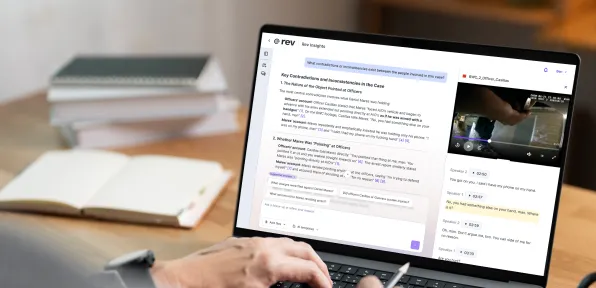
When those materials are organized and accessible, such as in transcripts, statements, and supporting files, attorneys can quickly pull the most relevant details into the demand. Rev stores all of these in one place, making it even easier to present a clearer, more compelling case.
How To Write A Demand Letter In 8 Steps
Writing an effective demand letter requires more than simply stating a claim. Attorneys must clearly present the facts of the case, connect the evidence to liability, and document damages in a way that supports the requested settlement.
The following steps outline how to structure a persuasive demand letter that helps move negotiations forward:
- Confirm Liability And Legal Basis For The Claim
- Gather And Organize Supporting Evidence
- Calculate And Document Damages
- Craft A Clear And Compelling Liability Narrative
- Present Evidence Strategically
- Make A Specific And Justified Demand
- Set A Response Timeline And Outline Next Steps
- Review And Send
Let’s look at each of these steps in more detail:
1. Confirm Liability And Legal Basis For The Claim
It may seem obvious, but the most important thing you can do when crafting a winning demand letter is to make sure you have a solid case. Carefully review accident reports, witness statements, photographs, and other documentation to determine who is legally responsible and under what theory of liability. At this stage, you should also confirm the applicable statutes, insurance coverage, and potential defenses. The goal is to ensure liability is well supported so you can present a clear, credible argument from the outset.
2. Gather And Organize Supporting Evidence
With liability established, the next step is assembling evidence to support your claim. This often includes medical-legal transcripts and records, accident reports, photographs, witness statements, deposition transcripts, and recorded statements that demonstrate liability and damages.
Organize these materials carefully so they can be cited clearly in the demand letter and included in the larger demand package. Having accurate, searchable transcripts of recorded testimony or interviews can make it much easier to pull key quotes and present the strongest evidence in your demand.
3. Calculate And Document Damages
Claim value is a critical component of any demand notice — it’s the piece that clarifies exactly what you’re asking for. Here, you’ll want to calculate both economic damages (medical bills, lost wages, and property damage) and non-economic damages (mental anguish, pain and suffering, etc).
Make sure each category of damages is backed by medical records, billing statements, employment details, or other relevant evidence that demonstrates the total value of your settlement request.
4. Craft A Clear And Compelling Liability Narrative
As important as it is to establish what you’re asking for, the real work of a demand letter is to tell a persuasive story. What happened, and why is the party in question responsible?
“I think that the best demand letters do more than summarize injuries and bills,” says Michael J. Ortlieb, Partner at Simmons & Ortlieb. “They tell a compelling, evidence-supported story that clearly connects liability, medical treatment, and the long-term impact on the client’s life. When an adjuster can easily see how a jury would value the case, settlement leverage increases dramatically.”
Present a strong narrative that connects the key legal elements of the claim — establishing duty, explaining how that duty was breached, and showing how the breach caused the client’s injuries and damages. The goal is to present the facts in a logical sequence that makes liability and damages easy to understand.
The best demand letters are built on documented facts rather than heavy-handed emotion. Many attorneys reinforce their narrative by citing verbatim excerpts from deposition transcripts or recorded statements that support their version of events.
Tools like Rev’s transcript editor can make this process easier by allowing lawyers to quickly locate exact testimony and even share synced audio or video clips when appropriate, adding credibility and leverage during the settlement negotiation process.
5. Present Evidence Strategically (Don’t Just Attach It)
Offering a compelling story with convincing evidence will put you in a strong position with your demand letter. That doesn’t mean you should just throw them together and expect the opposing party to make all the connections.
The most persuasive demand letters highlight the specific facts that matter — pointing to key medical findings, witness statements, or testimony that support liability and damages. When referencing materials like deposition transcripts or recorded statements, cite the relevant excerpts and explain why they strengthen your claim. This approach helps the reader quickly understand the significance of the evidence rather than having to interpret it themselves.
6. Make A Specific And Justified Demand
After presenting liability, evidence, and damages, clearly state the settlement amount you are seeking. This figure should reflect the documented damages while leaving room for negotiation. A specific, well-supported demand (see step 3) gives the opposing party a clear starting point for settlement discussions and demonstrates that the claim has been carefully evaluated.
7. Set A Response Timeline And Outline Next Steps
A demand letter should clearly state when you expect a response. Apply a sense of urgency while giving the opposing party time to review the claim and evaluate the supporting evidence. In most cases, 30 days is an appropriate window, but more complex matters may require a longer period.
8. Review And Send
Finally, take time to carefully review the entire demand letter before sending it off. Verify that all citations to evidence are accurate and confirm that damage calculations and overarching narrative match the supporting documentation. Remove any unnecessary or inflammatory language to maintain a professional tone.
Once you’re ready, it’s best to send your demand letter via certified mail to document delivery and start the clock on your requested response time.
Free Demand Letter Template + Example
A well-crafted demand letter can directly influence how a case is valued and resolved. In personal injury cases, it’s not uncommon for insurers to initially offer low settlements based on limited information. But when you submit a detailed demand package that clearly outlines liability, documents injuries, and supports damages with evidence, it can shift the leverage in your favor. With a clear narrative and well-organized documentation, insurers are better equipped to evaluate the claim and move toward a fair settlement.
To help you get started, we’ve put together a free personal injury demand letter template for you to download and fill in, plus an example demand letter.
Looking for more templates? Check out our free case brief template.
What Are Common Mistakes In Demand Letters?
The most common mistakes in demand letters are those that undermine clarity, credibility, and your ability to support the claim with evidence. A poorly structured demand letter can weaken your position, no matter how confident you are in your case. Unclear narratives, unsupported damages, or an overly aggressive tone can make it harder for insurers or opposing counsel to evaluate the claim and engage in productive settlement discussions.
Be on the alert for the following mistakes:
- Leaving out key details: A demand letter is a formal legal document and should include all legal details, down to your business name, address, date, and signature.
- Making unsupported claims: Always back liability and damages with clear documentation such as medical records, bills, or witness statements.
- Overstating the case: Making exaggerated demands or applying inflated legal terms that don’t fit the situation will only escalate the argument and risk unnecessary retaliation.
- Attaching evidence without explanation: Highlight the most important facts and explain why the evidence strengthens your claim.
- Providing an unclear damages breakdown: Clearly separate categories such as medical costs, lost wages, and non-economic damages so the demand is easy to evaluate.
- Using an emotional or hostile tone: Keep the letter professional and fact-driven to encourage constructive negotiations.
- Failing to include a clear request and deadline: A demand is only effective if what you’re asking is abundantly clear.
What Is The Next Step After A Demand Letter?
The next step after sending a demand letter is to wait — the full allotted time — for a response from the insurance company or the opposing party. The recipient will take time to review the demand package and determine whether the claim has merit. The process of reviewing medical records, testimony, or even insurance transcriptions can take several weeks, so patience is the name of the game at this stage.
More often than not, the response will begin a negotiation rather than result in immediate agreement. The insurer or opposing counsel may request additional documentation, ask questions about the claim, or respond with a counteroffer.
If negotiations are productive, you may be able to reach a settlement without further legal action. Attorneys often adjust their positions and work toward a resolution. Keeping communication clear and focusing on well-documented facts can help keep negotiations constructive.
Many disputes are resolved during this phase. However, if you’re not able to reach an agreement, the next step may be mediation, arbitration, or a formal lawsuit.
Using Technology For Demand Letter Creation
Technology can do more than speed up drafting. Legal teams can use today’s tools to directly strengthen the substance of a demand letter. Many law firms now use digital tools to organize evidence, summarize medical records, and assemble the documentation that supports a settlement demand. Some attorneys are even experimenting with AI demand letters, using generative AI to help draft outlines or structure initial versions.
While these tools can improve efficiency, the effectiveness of a demand letter still depends on the strength and clarity of the underlying evidence.
As Jae E. Lee, founding and managing partner at Jae Lee Law, explains:
“Demand letters are merely assertions unless you have evidence… With a clear and documented treatment timeline that links the injuries directly to the accident, insurers can’t play the pre-existing injuries card or claim the injuries weren’t related to this incident.”
This is where tools that support that documentation can be especially valuable. Demand letters often rely on deposition testimony, recorded statements, and client interviews to establish facts and reinforce credibility. A tool like Rev’s transcription services can turn that audio and video into accurate, searchable transcripts, making it easy to verify details and pull precise quotes into your letter.
Instead of relying on summaries or memory, attorneys can point directly to the record, helping insurers evaluate claims more quickly and with fewer points of dispute.
Turn Strong Demand Letters Into Stronger Settlements
A strong demand letter can set the tone for the entire settlement process. A carefully organized, well-constructed argument can help insurers and opposing counsel evaluate the case and move toward resolution much faster than going to court. Tools like Rev can simplify the process and help you build a more persuasive, evidence-backed argument.
Ready to give it a try on your next letter?

.webp)