
How To Manage Evidence In Multilingual eDiscovery
Learn what multilingual eDiscovery is, the challenges of dealing with evidence in multiple languages, and how to manage it all with this guide from Rev.



Your team just received a discovery production: 40,000 files, five languages, and a trial date that isn't moving. The files span emails, recorded jail calls in Spanish, and WhatsApp threads in Mandarin. And bonus: none of it arrives with a translation attached.
That scenario is becoming the norm, not the exception. As litigation and investigations cross more borders, legal teams need a plan for multilingual eDiscovery, rather than just a translator on retainer and a hope that nothing important gets missed.
Below, we'll break down what multilingual eDiscovery evidence is, the challenges you might face, and how to manage it effectively.
What Is Multilingual eDiscovery?
Multilingual eDiscovery is the process of identifying, translating, reviewing, and producing electronically stored information (ESI) that exists in a language other than the one the review team works in, as part of litigation, an investigation, or a regulatory response. It can span everything from foreign-language emails, contracts, recorded calls, depositions, images, videos, and even voicemails.
The goal is the same as traditional eDiscovery: find what's relevant, produce it defensibly, and protect privilege. Duty-to-disclose obligations under FRCP Rule 26 apply regardless of what language the evidence is in. Multilingual matters just add a layer most discovery workflows weren't built for — evidence has to be understood correctly before anyone can decide whether it matters.
How Multilingual eDiscovery Differs From Traditional eDiscovery
Multilingual eDiscovery differs from traditional eDiscovery because accurate translation becomes its own review criteria, alongside relevance and privilege. Every foreign-language document or recording needs to be translated before a reviewer can assess its relevance, and even afterward, it needs to withstand legal scrutiny.
That distinction matters because transcription and translation solve different problems. Transcription turns speech into text in its original language; translation renders that text into another language. Most discovery translation workflows were built for documents only, rather than recordings that have to be transcribed first.
The Landscape of Multilingual Evidence
The volume problem in eDiscovery isn't new, but it keeps accelerating. Our evidence review survey found that 29% of legal professionals collect over 100 hours of audio and video per case. And when it comes time to review? The majority reported spending 60+ hours on review per case, with 7% reporting over 200 hours spent.
eDiscovery tools have grown into a sizable industry just to keep pace, and multilingual evidence is a part of the process that people don't often consider. Cross-border business, distributed teams, and messaging apps that don't respect borders mean litigation now regularly touches evidence in three, five, or a dozen languages at once.
Challenges Of Analyzing Evidence In Multiple Languages
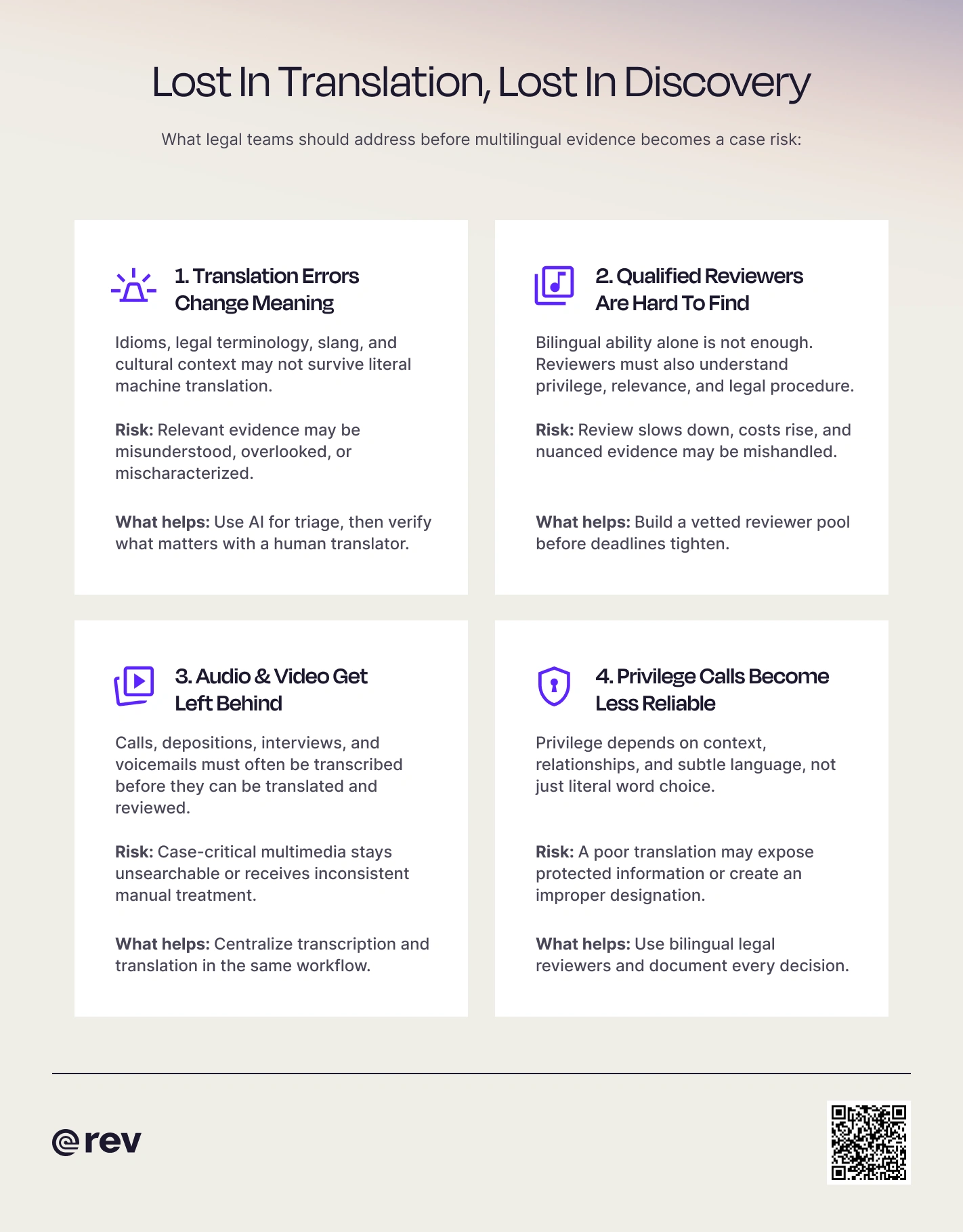
Managing multilingual evidence introduces problems that don't show up in a single-language matter. The following four challenges are ones you might run into frequently:
1. Machine (AI) Translation Accuracy vs. Certified Translation
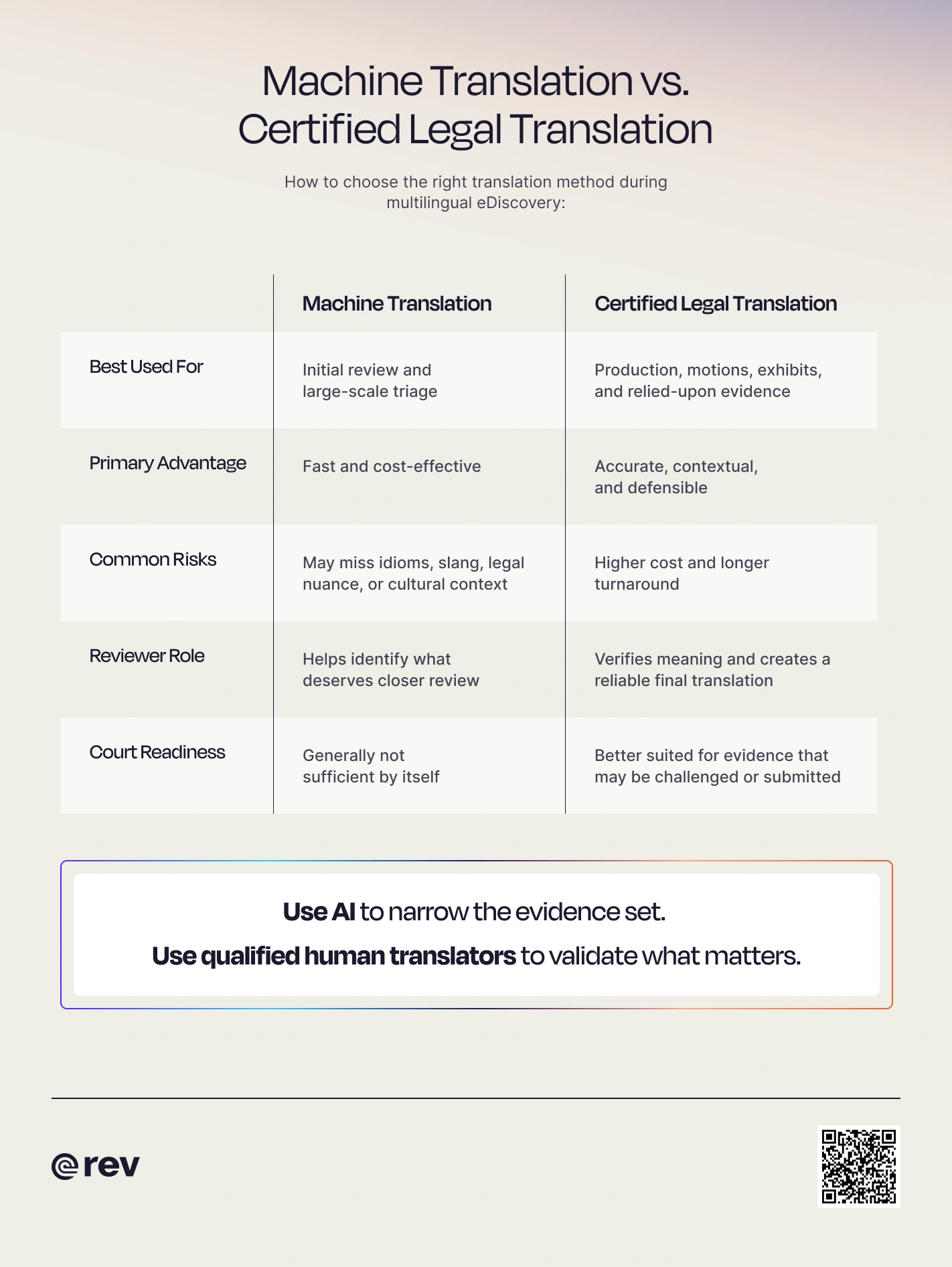
AI translation is fast and cheap, which makes it genuinely useful for an initial pass or something you need a quick turnaround on. But AI transcripts aren't generally admissible on their own, and important idioms, legal terms, and cultural context get lost in ways that change meaning. Teams need to create a workflow that uses AI for triage and reserves human-certified litigation translation for anything that will actually be produced or relied upon in court.
2. Finding Qualified Bilingual Reviewers
Legal-grade review needs reviewers who understand the language and the legal context — not just a bilingual speaker, but someone who can spot privilege, relevance, and nuance in a second language. The legal translation talent pool is smaller and more expensive than English-only review staffing, and it's often the real bottleneck determining how fast a multilingual matter can move.
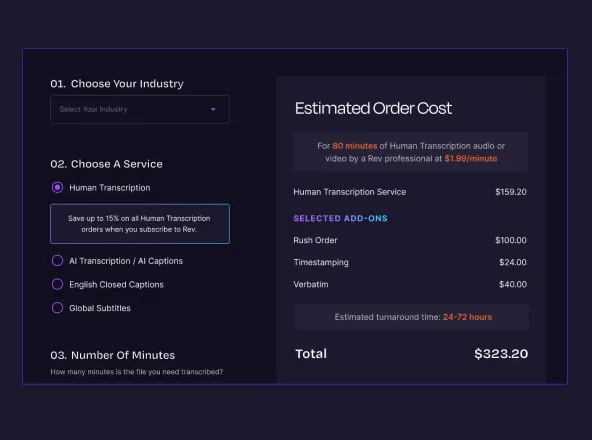
If you often take on cross-border litigation issues, or otherwise have a lot of cases where multiple languages are spoken, make sure to plan ahead. You can hire a professional translator for your staff, build up a pool of freelancers you can rely on, or opt for a more cost-effective service that has transcription and translation built into the platform (hint: Rev has both).
3. Multilingual Audio & Video Gets Left Behind
Most eDiscovery translation services are built around documents only. But increasingly, the piece of evidence that decides a case isn't a document at all. It's surveillance footage, a bodycam video, a recorded meeting, a voicemail, or even a video deposition — and much of it was never in English to begin with.
Teams without a workflow for foreign-language audio and video end up skipping it or handling it manually, which is slow and easy to get wrong. To solve this, it's important to get all your evidence transcribed early. That way, you can send what needs translating off to your language service of choice, while you begin analyzing what's already in your native language.
4. Privilege Review Gets Harder Across Languages
Privilege calls depend on nuance — who said what, in what context, to whom. That's hard enough in one language. Across languages, a literal translation can miss the legal significance of a phrase, and a rushed one can waive privilege by mistake.
"The thing with multilingual evidence is that you can't always translate it literally to English," explains Adam Dayan, founder of Consumer Law Group LLC. "You need to consider things like the cultural context, any abbreviations, the tone, the slang, etc."
Multilingual matters need review protocols built for that risk, not a checklist designed for English-only production. Baking those protocols into your case management now will save you a lot of headaches in the long run.
How To Streamline Multilingual Evidence Review
None of the issues above automatically mean that multilingual eDiscovery has to move at a snail's pace. A few tweaks can help streamline your workflow and make the biggest difference, including:
- Centralize foreign-language evidence in one platform instead of scattering it across vendors, translators, and email threads
- Use AI to get a first pass on foreign-language documents, audio, and video quickly. But remember not to let it make the final call.
- Only route important evidence for human review, instead of spending major dollars getting a human to translate everything up front.
- Cite every translated finding back to its source file and timestamp, so it holds up if opposing counsel challenges it
Build this into your broader eDiscovery project management process, rather than handling it case by case, and watch your productivity skyrocket.
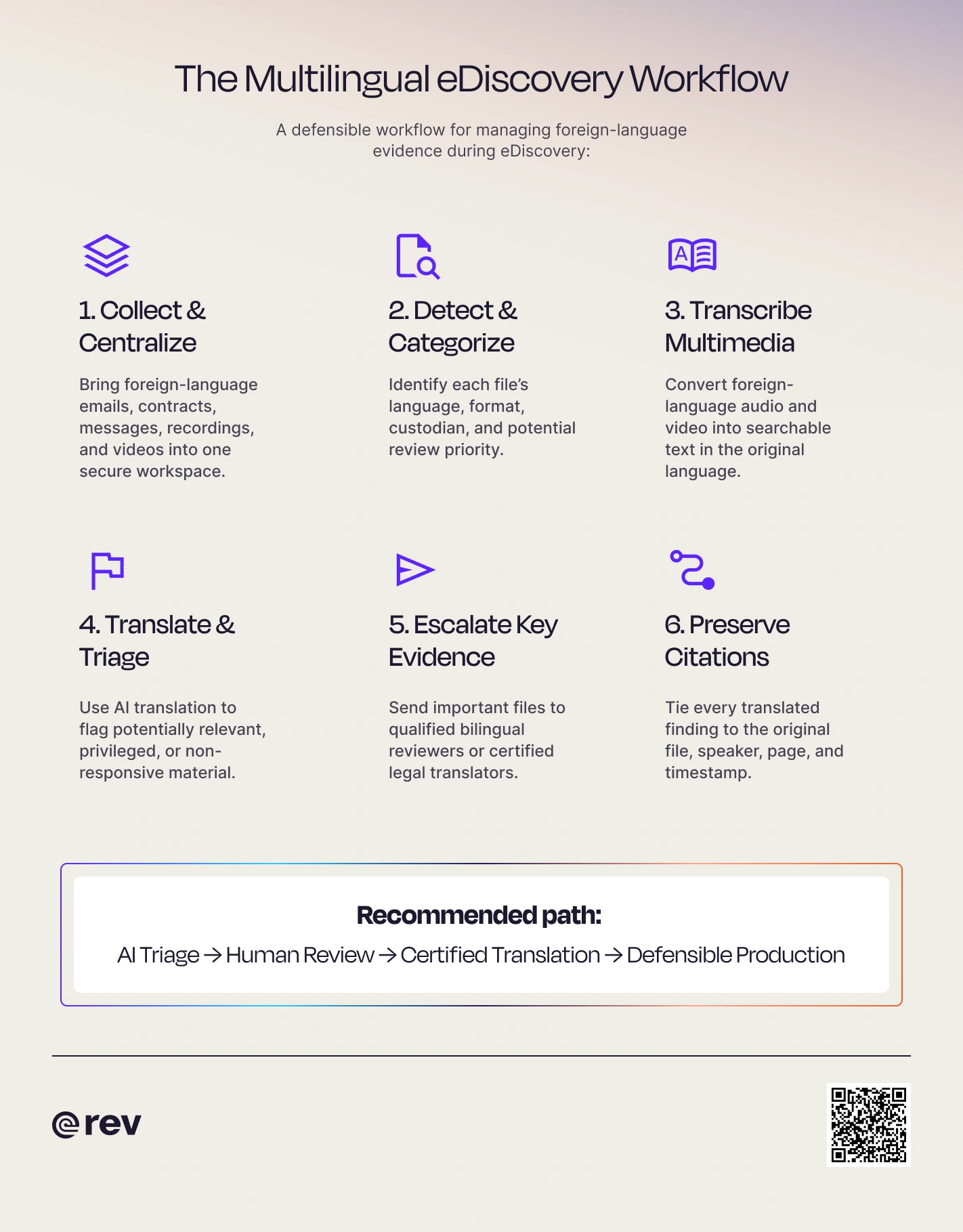
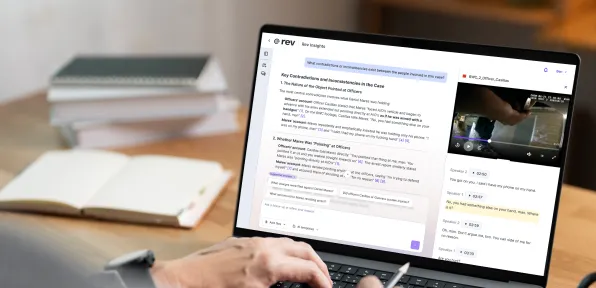
This is where AI tools for lawyers built around evidence — not just documents — start to matter. Rev's Investigative Intelligence Platform processes multilingual audio, video, and documents in one place, transcribes and translates foreign-language recordings, and ties every finding back to the exact source file and timestamp. Legal teams can work through a multilingual evidence corpus without losing the citation trail they'll need to defend it later.
The Future of Multimedia eDiscovery
Looking ahead, multilingual, multimedia evidence is only going to grow. After all, businesses operate across borders, communication often happens by voice and video instead of email, and 22% of the country speaks more than one language at home.
To solve this, the next wave of AI multilingual eDiscovery software will need to treat audio and video as first-class evidence, not an add-on to a document-first system.
Expect faster, more accurate machine translation paired with certified human review at the point where it counts, and closed-loop AI platforms that keep sensitive, privileged evidence out of third-party training data. Speed matters, but for multilingual evidence specifically, defensibility is what determines whether any of it holds up.
Translate Evidence Into Insights
You don't have to choose between speed and accuracy when it comes to Multilingual eDiscovery. With a workflow that pairs AI transcription and translation for triage, certified human translation where it counts, and a searchable, citable record tying it all together, legal teams can work through foreign-language evidence as thoroughly as they would evidence in English.
Rev's Investigative Intelligence Platform brings audio, video, and documents into one searchable, citable workspace — built for evidence, not just text.
.webp)
%20(1).webp)
.webp)