
Admitting a Deposition Transcript Into Evidence: What to Know
Learn the steps it takes to admit a deposition transcript into evidence, common reasons for dismissal, and how tech expedites the process from the experts at Rev.


Depositions are critical discovery tools that capture witness testimony under oath before trial. But obtaining a deposition transcript is only half the battle—knowing how to properly admit it into evidence is a whole other ballgame.
Whether you're preserving testimony, impeaching a witness who's changed their story, or building your trial narrative, understanding the rules for admitting deposition transcripts into evidence is essential. This guide walks through everything you need to know about deposition transcript admissibility, from federal and state rules to practical steps for getting your transcript before the judge.
The Depo Transcript Process
A deposition transcript captures every word of a witness, any questions attorneys ask, objections they raise, and stipulations made on the record. Court reporters produce these transcripts using specialized equipment and software to ensure verbatim accuracy.
The transcript creation process begins during the deposition itself. A certified court reporter—or a digital recording system—captures the entire proceeding. After the deposition concludes, the court reporter or system prepares a written transcript. The witness then has an opportunity to review and sign the transcript, making any necessary corrections to the record.
Getting the transcript exactly right is a crucial part of the process. A single transcription error can alter the meaning of testimony, and even affect case outcomes. That's why the federal guidelines and corresponding state rules establish strict standards for transcript prep and certification (more on that below).
Deposition transcripts serve multiple strategic purposes at trial:
- Preserving testimony from unavailable witnesses who cannot appear due to distance, illness, death, or other qualifying circumstances.
- Reading testimony from opposing parties to establish admissions or inconsistent positions.
- Impeaching witnesses who provide contradictory testimony at trial compared to their deposition statements.
- Refreshing witness recollection when a witness cannot remember specific details.
- Supporting motions for summary judgment by establishing undisputed facts.
- Showcasing expert witness testimony when the expert is unavailable for trial.
Deposition Transcript Admissibility: Rules and Regulations
The admissibility of deposition transcripts in federal court is governed primarily by Rule 32, which establishes when and how depositions can be used at trial or in other proceedings. Understanding this rule is fundamental to any legal strategy involving depositions at trial.
The Federal Rules of Evidence (FRE) are also important to understand:
- FRE 801(d)(1): covers prior statements by witnesses.
- FRE 804(b): lists hearsay exceptions when the party is unavailable.
These rules are key to any trial, as they determine when deposition testimony can replace live testimony in court.
Under federal rules, a deposition can be used against any party who was present or represented during that same deposition. It serves several purposes, including:
- To contradict or impeach a witness’s testimony.
- As an admission by a party opponent.
- As a substitute testimony when a witness is unavailable.
A witness’s deposition (even if the witness isn’t a party) can be used at trial if the witness isn’t available for reasons such as:
- Age
- Being 100+ miles from the trial location (unless caused by the offering party)
- Death
- Disability
- Illness
- Imprisonment
- Inability to subpoena, despite good faith efforts
But what about rules that aren’t required to be followed nationwide? State courts have similar evidence codes, but it’s important to understand how they differ. For example, Texas and California tweak federal guidelines quite significantly:
- Texas Rule of Civil Procedure 207: This closely resembles federal guidelines, but allows depositions from the same (and different) proceeding to be used “for any purpose” against a party who had notice, not just when they’re unavailable. This gives Texas lawyers more flexibility in using deposition testimony at trial.
- California Code of Civil Procedure Section 2025.620 also allows depositions to be used “for any purpose,” and even allows video recordings under certain circumstances. Their rules on witness distance differ, too, hovering at 150 v.s. the federal rule of 100.
A deposition can only be used against someone if they were given proper notice and had an opportunity to attend and cross-examine the witness. Without this, even otherwise admissible deposition testimony may be thrown out.
Common Admissible Transcript Scenarios
Not every transcript submitted will be admitted. Understanding the common admissible scenarios can help attorneys plan their deposition strategy with the end goal of admissibility in mind.
The most frequent admissible scenarios include:
- A witness falls ill and is hospitalized before the trial.
- A witness’s trial testimony has contradictions from their original deposition statements.
- When a deposition from one party has statements that would be beneficial to the other.
- A unique topic has limited experts, and they all live too far to give live testimony.
- When a deposition testimony establishes material facts without dispute from either party.
- A sworn statement that needs to be analyzed in preliminary hearings and motions.
- 30(b)(6) depositions that bind the corporate representative to specific positions
Of course, each scenario may have specific authentication requirements, and the above list isn’t comprehensive. However, understanding the basic situations can help attorneys better prepare for what’s most likely to happen next.
Why Transcripts Might Be Dismissed As Evidence
Despite following all deposition procedures, transcripts can still be excluded from evidence for a variety of reasons. Understanding these potential pitfalls helps attorneys avoid potential objections and preserve the record.
Times that transcripts might be dismissed include:
- Procedural Defects: Courts may reject transcripts if the opposing party didn't receive proper notice, they couldn't attend, didn’t get to cross-examine, or if the court reporter wasn't certified.
- Note: This is the most common reason depositions get excluded.
- Hearsay objections: Can limit which portions of a transcript are admissible. Most often, third-party depositions are challenged—especially if the witness is available to testify live and the deposition is being used out of convenience.
- Relevance and prejudice (Rule 403): Even technically admissible testimony may be rejected if it's unfairly prejudicial, confusing, or wastes time—especially anything that’s inflammatory, speculative, or off-topic.
When transcripts (or sections of transcripts) are challenged for dismissal, attorneys have a few options. They can offer a less problematic section that conveys the same information, pivot to a different witness, or get judicial notice for basic facts. Often, these changes are enough to resolve the issue and get the transcript admitted into court.
6 Steps to Admitting a Depo Transcript Into Evidence
Successfully getting a deposition transcript admitted into evidence requires methodical preparation and attention to procedural requirements. Here's the step-by-step process:
1. Verify Certifications
Before trial, confirm your transcript includes the court reporter's certification, the witness signature (if required), and any exhibits referenced during the deposition. Check that the page line numbers are clearly marked for designation and citation purposes. Submitting a transcript from part of a deposition without these requirements can derail your ability to use the evidence in court.
2. Prepare Deposition Designations
Create depo designations by identifying the specific page and line numbers you intend to offer into evidence. Federal and state rules typically require parties to exchange these designations before trial, to allow opposing counsel to submit counter-designations. This process ensures fairness and prevents opposing counsel from introducing any other parts of the testimony without context.
3. File And Serve Required Notices
Most jurisdictions require advance notice when using deposition testimony at trial. Check local laws for timing requirements—some require notice 30 days before trial, others require less. Your notice should specify which depositions you'll offer and, if required, your designations. Failure to provide notice gives opposing counsel grounds for exclusion.
4. Establish Foundation
When offering the deposition, you must lay the right foundation by proving that the deposition was properly noticed, the witness was sworn in correctly, the opposing counsel had the opportunity to cross-examine, and that the transcript is certified as accurate.
If you're offering the deposition because your witness is unavailable, you'll need to prove that through testimony or evidence.
5. Respond To Objections
Be prepared to address objections in court, especially if you're offering the deposition in place of live testimony. Prove you've satisfied rule 32 (or your state equivalent), and explain why the testimony is needed. If portions of your transcript are excluded, be ready to move forward with the admissible sections or present alternative evidence.
6. Sync Transcripts And Prepare Court Tech
Many attorneys prefer video depositions for their persuasive impact, but there are additional requirements that must be met before they can be admitted. First, acquire appropriate playback equipment for the courtroom. Second, you must ensure the video and written transcript are properly synchronized before presenting to the court.
Remember: The transcript is the official record, and the video serves as a demonstrative aid only (unless admitted under local rules).
Accelerate Timelines With Legal Tech
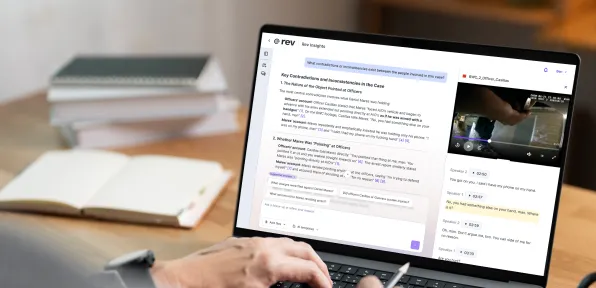
Modern legal tech has transformed how attorneys prepare, review, and cite deposition transcripts. The traditional process of manually creating designations, searching through hundreds of pages for specific testimony, and coordinating exhibits has given way to AI-powered solutions that dramatically reduce prep time.
As Cierra Wilson, Attorney at Cierra Esq., explains:
"My firm heavily relies on tech. We use Rev every day to transcribe depositions, client meetings, court recordings, and video prep sessions. Then we feed those transcripts into AI-powered tools to quickly flag inconsistencies, align facts across sources, and build thematic case maps. This helps us generate comprehensive case summaries, timelines, and issue-focused reports without burning hours on manual review. It's how we stay both efficient and strategic."
For attorneys managing multiple depositions, Rev's SmartDepo solution takes efficiency even further by generating AI-powered deposition summaries with 100% accurate page-line citations. This technology helps legal teams quickly identify key testimony across multiple depositions, spot inconsistencies, and build chronologies—all while maintaining the citation accuracy needed for briefs and motions.
The same tech that streamlines deposition prep also simplifies the admissibility process. Digital transcripts with embedded exhibit links, synchronized video, and collaborative annotation features help trial teams prepare designations, respond to counter-designations, and present evidence more effectively in court.
Win With Transcript Precision and Speed
Admitting deposition transcripts into evidence requires close adherence to procedural rules, anticipating objections, and presenting certified, accurate testimony that enhances your case strategy. After all, the foundation you build during this process will determine your success at trial. Learn more about how to avoid spoilation of evidence on our blog.
In an era where case timelines are tight and judicial resources are limited, tech that delivers accurate, searchable, and court-ready transcripts isn't just convenient—it's essential.