
What Does a Paralegal Do?
Paralegals play a critical role in legal work, supporting attorneys in everyday tasks. Learn what a paralegal does, how to become one, and how tech can help.


Paralegals assist attorneys with an extensive list of legal tasks, providing critical support for every stage of the legal process. While not licensed to practice law themselves, paralegals help with work that requires specific legal knowledge and training.
Curious about the role of a paralegal and potential work in this field? In this article, we’ll break down what they do, what they’re not allowed to do, and the different types of roles they can hold across legal practice areas. We’ll also cover how to become a paralegal and where legal tech can streamline their workflows and support greater efficiency.
What Is a Paralegal?
According to the American Bar Association (ABA), “A paralegal is a person, qualified by education, training or work experience who is employed or retained by a lawyer, law office, corporation, governmental agency or other entity and who performs specifically delegated substantive legal work for which a lawyer is responsible.”
In other words, wherever there is complex legal work to be done, you’ll find a paralegal (or team of them) helping make it happen.
Main Paralegal Duties and Responsibilities
For lawyer’s assistants, tasks can vary from day to day and based on the nature of the firm or agency where they work. Typical paralegal job responsibilities include:
- Drafting and managing legal documents (e.g., contracts, pleadings, or discovery requests)
- Conducting legal research, case law review, and client interviews
- Attending legal proceedings or any meetings where legal factors are in play (e.g., depositions, real estate closings, or court hearings)
- Summarizing depositions and medical records
- Filing documents with courts or agencies
- Managing case files and trial prep
- Helping with client intake
- Communicating with clients, witnesses, and experts
- Assisting with investigations or due diligence
- Coordinating deadlines and timelines for cases
In larger firms, these legal associates may specialize in a particular area such as litigation, real estate, or corporate law. In smaller practices, they typically wear many hats. Nowadays, much of the work can be done remotely via cloud-based case management systems. Remote staff would lean more heavily on digital files, video calls, and online research and other paralegal tools to accomplish the same tasks.
“Paralegals and legal assistants sit at the heart of my daily workflow,” explains Ramzy Ladah, trial attorney at Ladah Law Firm. “They chase medical records that can decide liability, build chronologies that spotlight gaps in expert testimony, and flag deadline conflicts before they explode. Their precision frees me to concentrate on strategy, and the morale boost of knowing every logistical detail is handled cannot be overstated.”
What Can Paralegals Not Do?
The role of a paralegal is vital for legal work, but they cannot practice law. That means they are not allowed to:
- Give independent legal advice
- Represent clients in court or at legal proceedings
- Sign legal documents on behalf of an attorney or client
- Accept or reject a case on behalf of a law firm
- Set or negotiate legal fees
Because these tasks require extensive legal judgment and background knowledge, they are reserved for fully trained legal professionals. Ultimately, paralegals operate under the supervision of attorneys, and their work must be reviewed and approved by a licensed lawyer.
Types of Paralegals
Paralegals often specialize in specific areas of law, depending on the needs of their employer. While some perform general legal support, many develop expertise in a particular practice area. The table below outlines some of the most common types:
Paralegal vs. Legal Assistant
Paralegals typically provide more focused legal support than legal assistants. Although the two roles are often confused — and may even overlap at smaller firms — legal assistants provide more general administrative aid and clerical support. They help with scheduling, correspondence, and some form preparation, while paralegals get more hands-on with specialized legal tasks.
What’s the Difference Between a Lawyer and a Paralegal?
While paralegals assist lawyers with critical tasks, they do not function as attorneys. Lawyers are licensed professionals who are equipped and authorized to represent clients and make important legal decisions. Paralegals provide essential behind-the-scenes support throughout the entire legal system, but they cannot practice law themselves.
One way to better understand this distinction is to consider it in terms of legal process outsourcing (LPO). Many law firms and corporate legal departments outsource paralegal tasks, such as legal research, document review, or transcription, to save time and reduce costs. However, any work that involves offering legal advice, representing clients, or making legal judgments must still be handled by a licensed attorney. Only the support functions of legal work, not the practice of law itself, can be ethically and legally outsourced.
That’s not to say paralegals aren’t vital for accomplishing critical work. “You can’t grow without support," says Laura Cowan, estate planning attorney and founder of 2-Hour Lifestyle Lawyer. “Even if you start with just five hours a week, get someone helping you with admin, client comms, or document prep. You’ll feel the difference immediately. I wouldn’t run my practice without a team.”
How to Become a Paralegal
There are a few ways to get on the path to a career in legal support, depending on the specific field and your prospective employer’s requirements. Most who enter the field have at least an associate degree or a two-year certificate in paralegal studies, but some employers require a bachelor’s degree. Many get their four-year degree in a related field, such as social science or business, and earn a paralegal studies certificate from an ABA-accredited program.
While completing your studies, it’s a good idea to seek on-the-job experience through an internship or employment at a law firm, government agency, real estate firm, or other setting involving legal work. Real-world experience will help you put your studies into action and develop important communication, research, and organizational skills.
You should also consider pursuing formal certification. While not always required, many employers prefer or reward staff for attaining certification through programs such as:
- The National Association of Legal Assistants (NALA)
- The National Federation of Paralegal Associations (NFPA)
- The National Association of Legal Secretaries (NALS)
- The American Alliance of Paralegals Inc. (AAPI)
What Is a Paralegal's Salary in the U.S.?
According to the U.S. Bureau of Labor Statistics, the median annual salary for paralegals and legal assistants is $61,010. The top 10% earn just under $99,000 per year. Salaries are especially high (above $70,000 per year on average) in Washington, D.C., California, Washington, and Massachusetts.
A Day in the Life of a Paralegal
While their exact duties depend on their area of law, a typical workday for a paralegal consists of juggling a mix of research, document drafting, case management, and communication.
Mornings may begin with reviewing new client files or summarizing depositions for an upcoming hearing, with afternoons spent preparing court documents, managing deadlines, and coordinating with attorneys on case strategy.
Drafting is a big part of the job — whether it’s contracts, pleadings, discovery requests, or legal correspondence. Paralegals often use billing templates and legal software to streamline this process, but their work still requires accuracy and attention to detail. In litigation-focused roles, they may also assist with organizing exhibits, managing eDiscovery platforms, or preparing manual or digital trial notebooks. In corporate law, the focus might shift to regulatory filings, due diligence support, and reviewing business agreements.
Paralegals often field inquiries from clients, follow up with expert witnesses, or submit filings to local courts. Although they can’t give legal advice, they often act as a critical point of contact, keeping everyone informed and ensuring that cases stay on track.
In other words, the ability to multitask is essential for the role. “Because I handle small transactional matters, I jump between several matters and can't just set one timer for one case," says Lindsey Corbin, paralegal at Delegate Legal. “I'm constantly shuffling.”
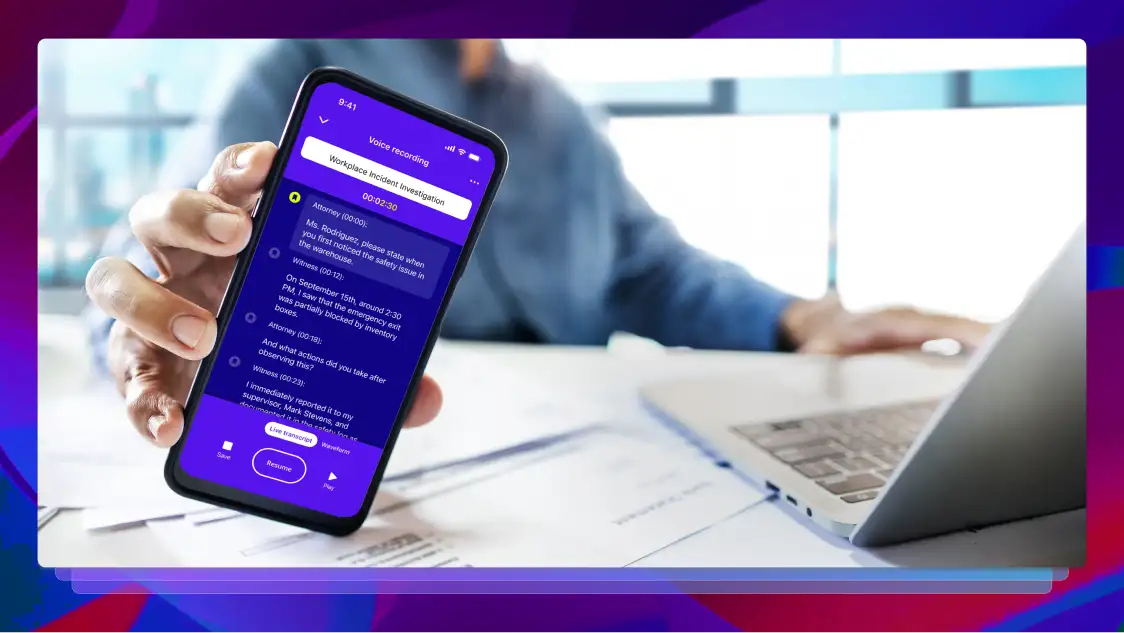
Throughout the day, technology helps keep everything moving efficiently. From legal research databases to transcription tools that convert recorded meetings or depositions into searchable text, these legal support specialists rely on digital solutions to streamline workflows and reduce bottlenecks. Tools like AI-powered transcription can save busy legal teams hours of manual work and improve accuracy, freeing up time for higher-level support.
Are Paralegals in High Demand?
Demand for paralegals is behind other professions but remains steady, with roughly 37,300 openings per year projected through 2033. At an expected growth rate of 1% per year through 2033, the field is expanding more slowly than the U.S. average for all professions — likely due to the impact of AI and other technologies that are improving firm efficiency.
Nonetheless, there are still many opportunities in the field. California, for instance, currently projects an annual job growth of 12.2% for the profession.
Embracing the Future of Paralegal Work
As the legal field evolves, so too does the role of legal assistants. The most effective paralegals of today — and tomorrow — are those who embrace technology to work faster and smarter. From document review to client communication, the future of the profession will rely on hybrid legal professionals who can navigate both case law and cutting-edge tools.
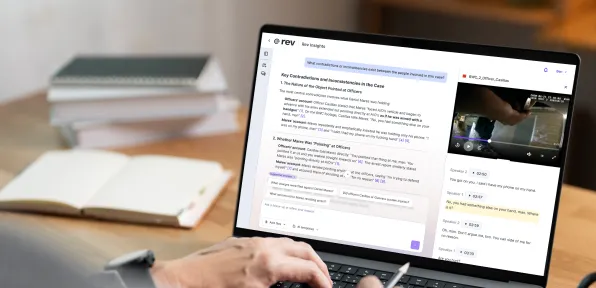
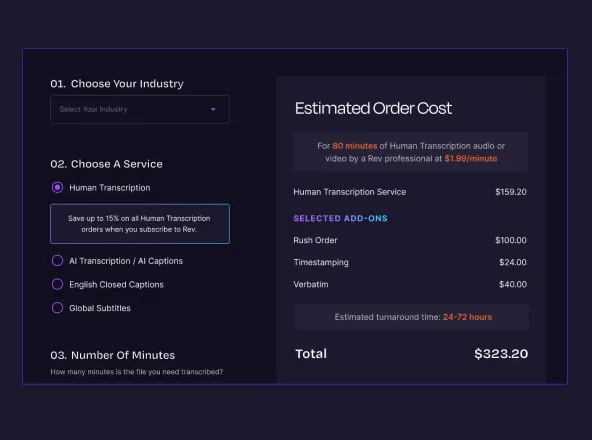
A tool like Rev can transform day-to-day work for legal associates. Think of it as a “legal assistant’s assistant,” delivering highly accurate transcription and documentation services so paralegals can focus on higher-value tasks.
Ready to make your legal work more efficient and productive?

.webp)