

Free Billable Hours Calculator For Legal Teams
Keeping track of billable hours shouldn't take up more time than the work itself. Whether you're reviewing evidence, preparing for trial, or meeting with clients, every minute counts.
Rev's free billable hours calculator makes the math easy. Simply enter your time worked and hourly rate to calculate billable hours and estimate your earnings.
Billable Hours Calculator
Our calculator offers a quick way for attorneys, paralegals, and law firms to track time, plan workloads, and get a clearer picture of their revenue.
Thank you!
You'll recieve your estimated quote in just a bit!
Oops! Something went wrong while submitting the form.
How To Calculate Billable Hours
To calculate billable hours, determine how much time you've spent on work that can be charged to a client and multiply that by your hourly billing rate. Many law firms use six-minute billing increments, meaning every 0.1 hour represents six minutes of work.
The basic billable hours formula is: Billable Hours × Hourly Rate = Total Billable Amount
For example, an attorney who bills 25 hours at $250 per hour would generate $6,250 in billable fees.
For tasks that take less than an hour, you'll need to convert minutes into decimal hours using your firm's billing increments. Our calculator takes care of the math so you can focus on the work itself.
Billable Hours Chart: Understanding 6-Minute Increments
Most attorneys track their time in six-minute increments, also called tenths of an hour. This makes it easier to account for shorter tasks, like client calls, legal research, and document review.
Here's a quick billable hours conversion chart using six-minute increments and rounding partial increments up.
For example, a 20-minute client consultation would equal 0.4 billable hours under this method. At an hourly rate of $300, the total would be $120.
Always follow your firm's billing policies, client agreements, and applicable professional conduct rules when rounding time.
| Minutes Worked | Billable Hours |
|---|---|
| 1-6 Minutes | 0.1 |
| 7-12 Minutes | 0.2 |
| 13-18 Minutes | 0.3 |
| 19-24 Minutes | 0.4 |
| 25-30 Minutes | 0.5 |
| 31-36 Minutes | 0.6 |
| 37-42 Minutes | 0.7 |
| 43-48 Minutes | 0.8 |
| 49-54 Minutes | 0.9 |
| 55-60 Minutes | 1.0 |
What's the Difference Between Billable and Non-Billable Hours?
Billable hours generally include work performed directly for a client or case, such as drafting motions, attending depositions, reviewing discovery, or communicating with clients. Non-billable hours typically include internal meetings, administrative work, marketing, training, and other tasks that keep a law firm running.
Understanding the difference helps attorneys track productivity and determine how much of their workday is spent on revenue-generating activities.
Understanding the difference helps attorneys track productivity and determine how much of their workday is spent on revenue-generating activities.
How To Improve Your Law Firm's Billable Hour Efficiency
Logging more hours isn't always the best way to increase profitability. Reducing repetitive work can free up capacity for additional clients, improve turnaround times, and give attorneys more time for the tasks that actually require their expertise.
A few ways to improve billable hour efficiency include:
A few ways to improve billable hour efficiency include:
- Track time as you work: Record time spent on client matters throughout the day rather than trying to reconstruct your activities later.
- Streamline administrative tasks: Use templates, standardized processes, and digital tools to cut down on repetitive work.
- Simplify evidence review: Use searchable transcripts and AI-assisted analysis to locate important statements without repeatedly watching or listening to recordings.
- Monitor utilization rates: Compare billable hours against total hours worked to understand where your team's time is going.
Keep in mind that efficiency doesn't mean billing clients for time you didn't spend. The goal is to make your legal workflows more productive while maintaining accurate, transparent billing.
Other Free Online Tools
Legal Deadline Calculator
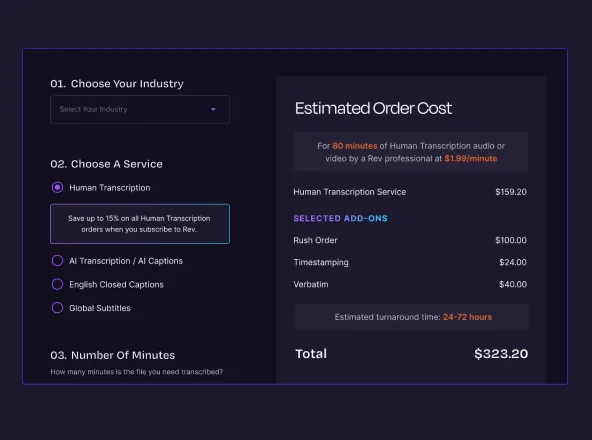
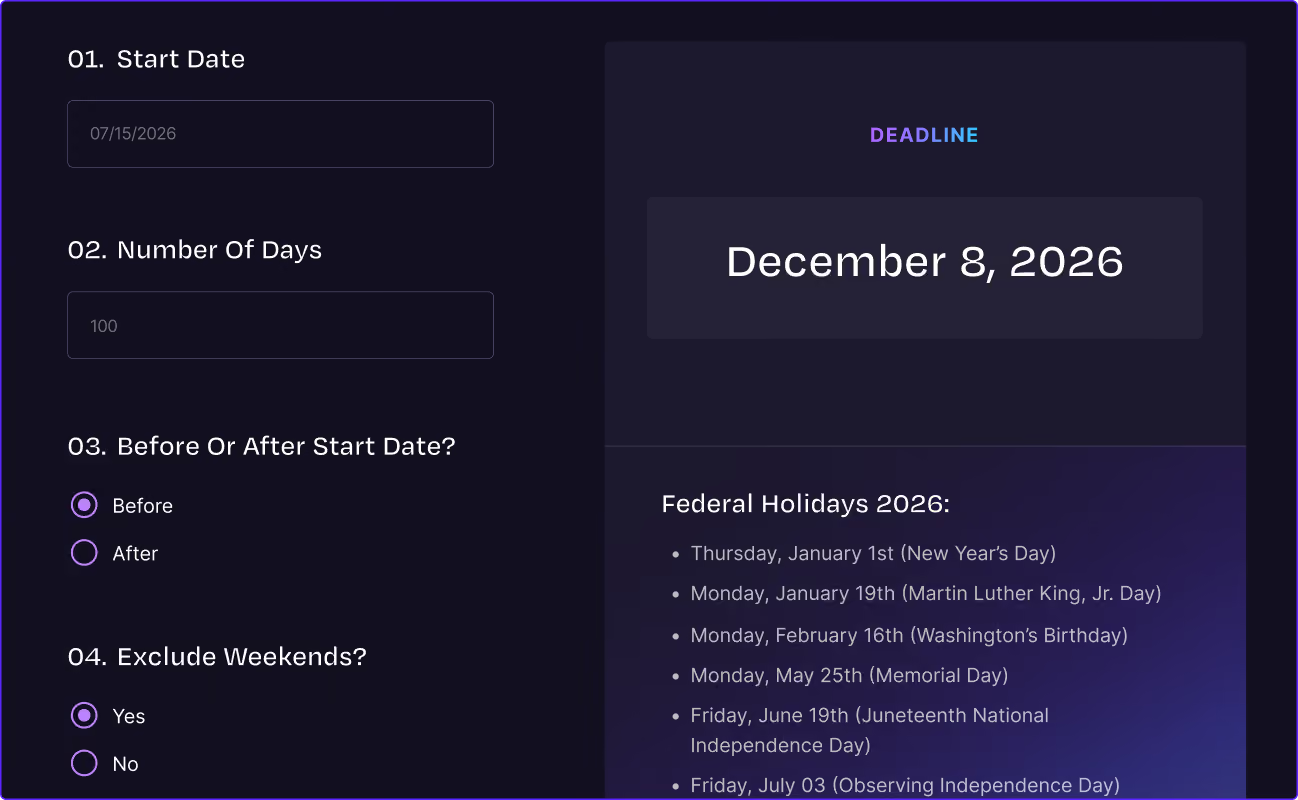
Missing a filing deadline can have serious consequences. Use Rev's free Legal Deadline Calculator to quickly estimate litigation deadlines based on your triggering event and jurisdiction.
Try The Legal Deadline Calculator
Pricing Calculator
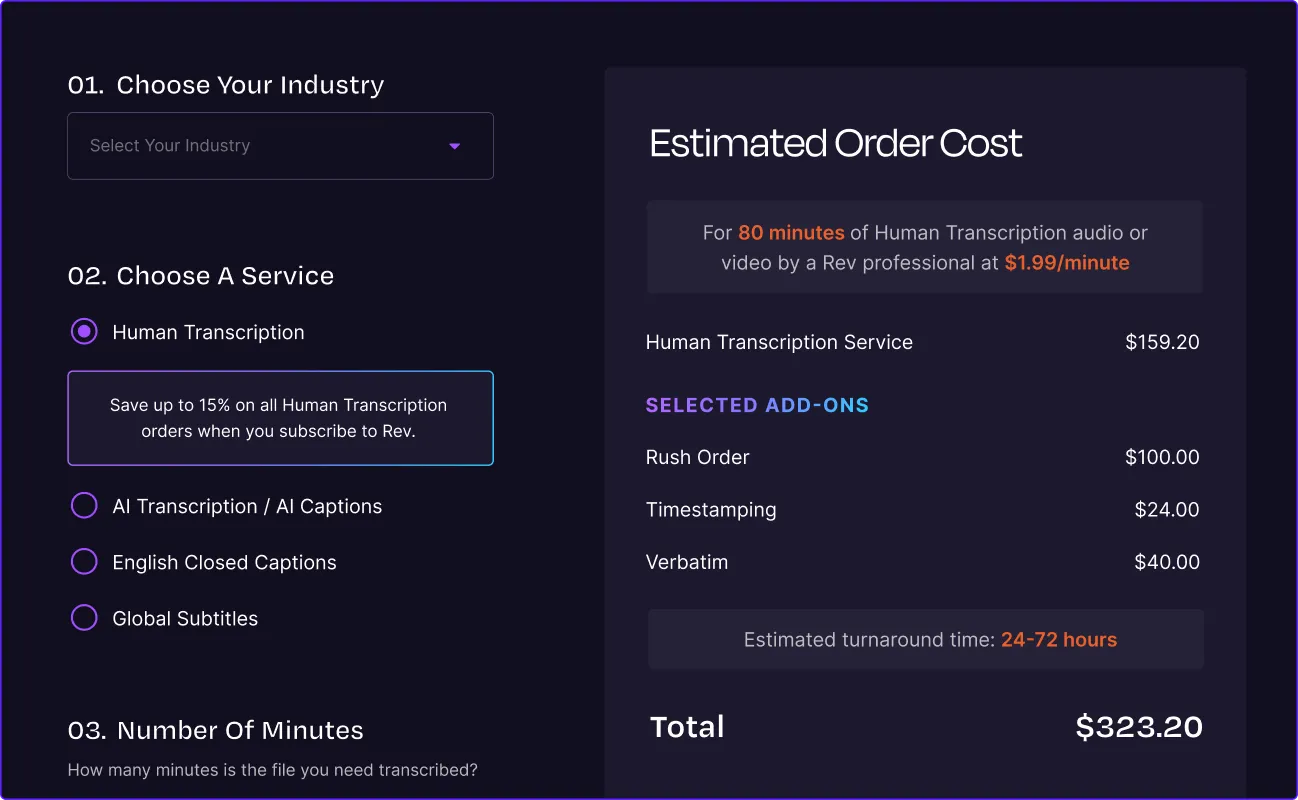
An easy-to-use calculator that provides transparent pricing. Quickly estimate costs for human and AI transcripts, captions, and subtitles in just seconds.
Try The Pricing Calculator
Audio Trimmer & Cutter
The Rev Audio Trimmer & Cutter is 100% free to use and allows you to trim and cut out excess audio from several types of audio and video files.
Try The Audio Trimmer & Cutter

Caption Converter
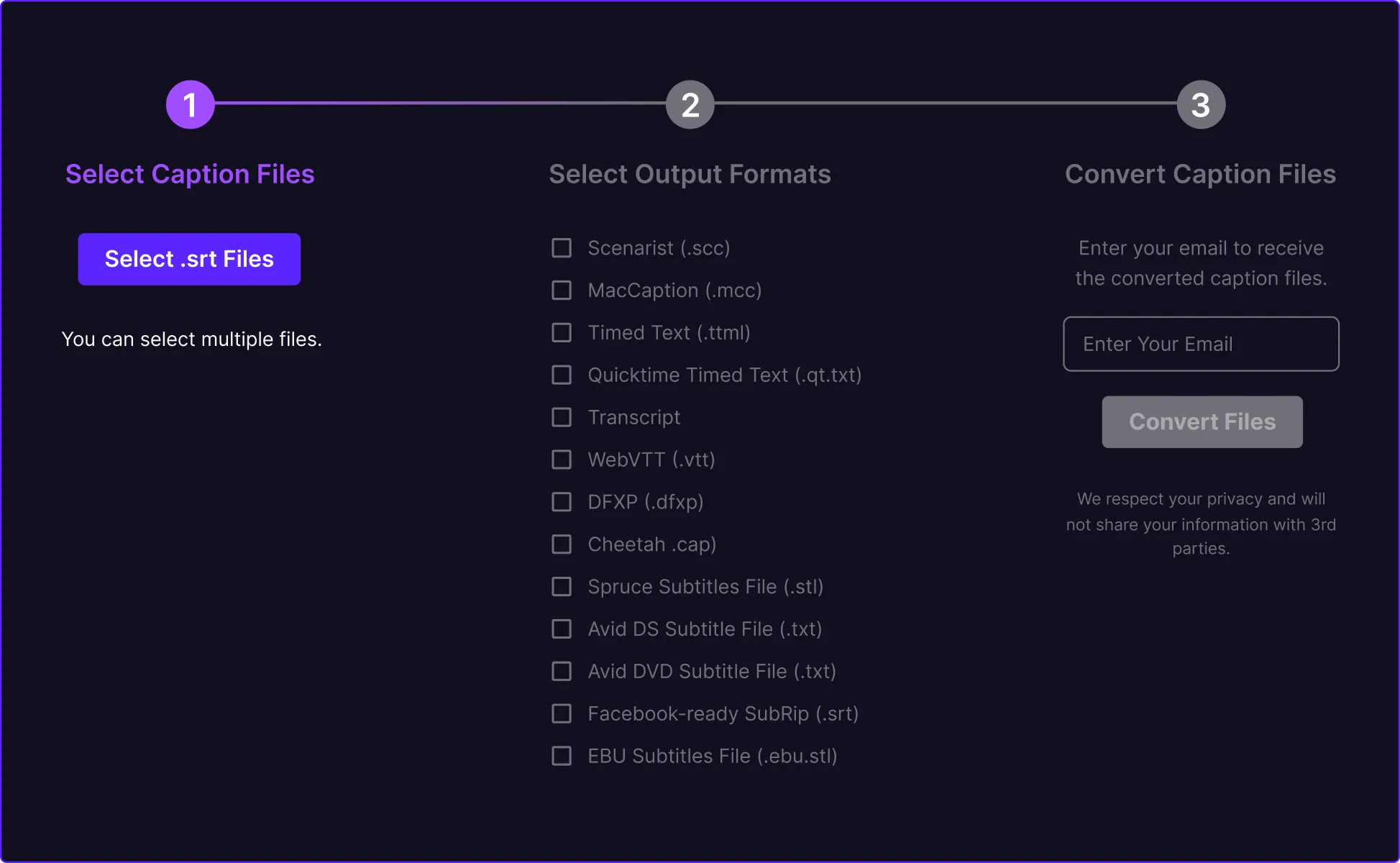
The Rev SRT Caption Converter is totally and completely free to use and allows you to upload your SRT/SubRip file straight into the tool and output TXT, VTT, SCC, MCC, STL, TTML, and more.
Try The Caption Converter